Advanced Water Recycling Plant
The Project will divert treated recycled water from Anglian Water's existing Lowestoft Water Recycling Centre (WRC) to the proposed Essex & Suffolk Water Advanced Water Recycling Plant.
At the Advanced Water Recycling Plant the treated recycled water will go through an advanced cleaning process to meet the strict environmental standards set by the Environment Agency. This makes sure the water is safe to return to the natural environment.
Once purified, the recycled water will be carefully released into the River Waveney through an underground pipeline and outfall structure. Here, it will gently mix with the river's natural flow. Only a small amount of water that can't be recycled is released into the sea, but not before it's thoroughly treated and tested to meet environmental standards. This ensures it's safe for marine life and the surrounding environment.
To find out more about water recycling, how it works, and how it is helping us address Suffolk's water shortages please see our Community Resources page.
Strategic network enhancements
Water will be carefully drawn from the River Waveney and treated to meet drinking water standards. To ensure a reliable supply, the water will be stored in two new service reservoirs and will be delivered to homes and businesses through a newly built network of pipelines.
Service Reservoirs
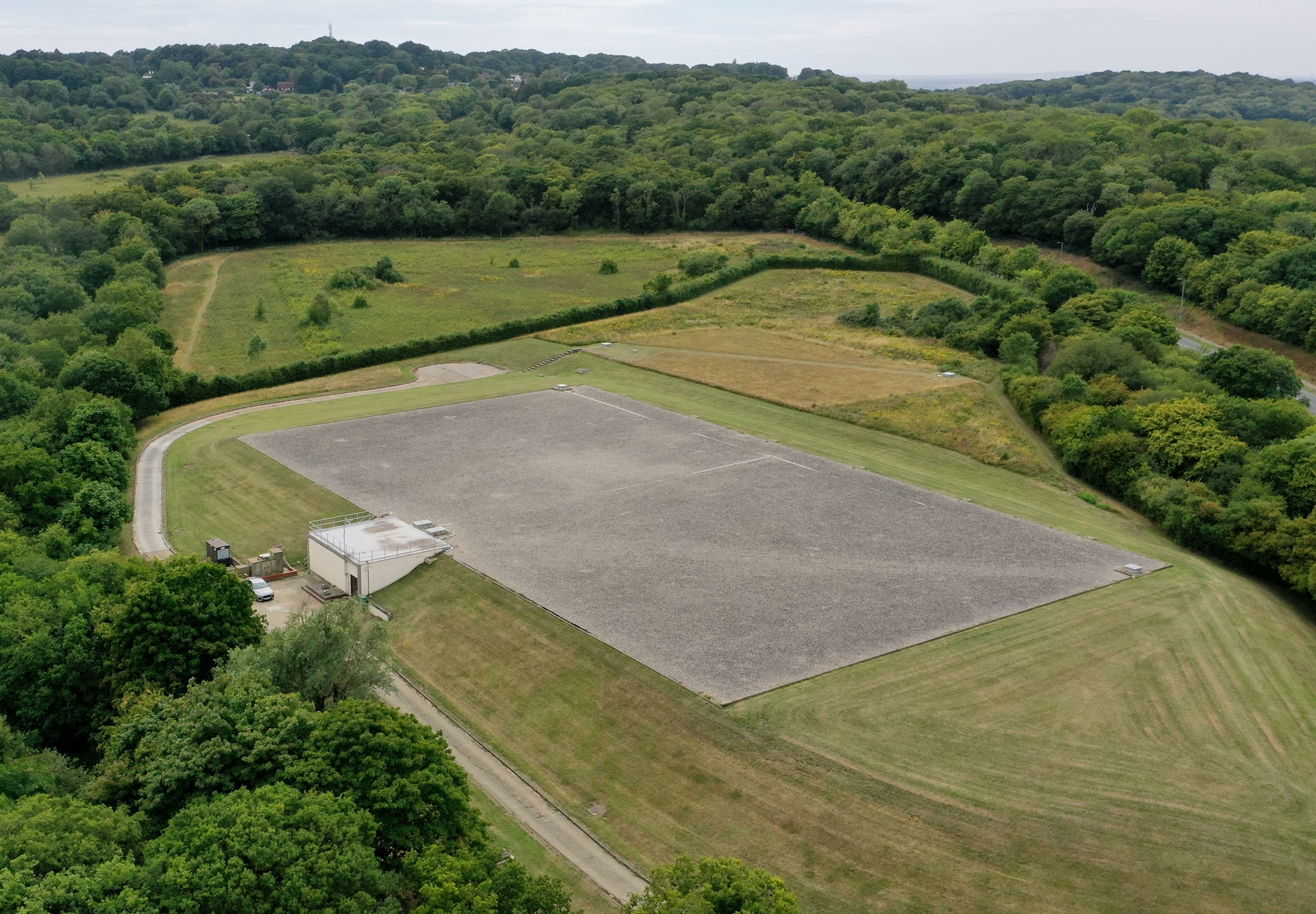
Service Reservoirs are large storage tanks typically either partially buried or fully buried underground, landscaped to blend into the surrounding area. They provide storage of drinking water to the surrounding population through the existing distribution network and help improve resilience, consistency and efficiency of water supply to customers.
The Central Service Reservoir will act as an intermediate storage point within the network to supply water further into the Blyth Water Resource Zone. The Western Service Reservoir will act as an end storage point of the water supply network before the water goes into the distribution network of the Hartismere Water Resource Zone.
Pipelines
The Project will require the construction of approximately 80km of new pipelines. These pipelines are likely to be approximately 180mm–560mm in diameter. The pipe material and diameter will be selected to provide the optimal combination of durability and capacity to manage large volumes of water and changes in landscape. The pipelines are proposed to connect existing infrastructure to proposed infrastructure for the transfer of water.